
Highest Altitude Harvest®
The hay starts long before we cut it.
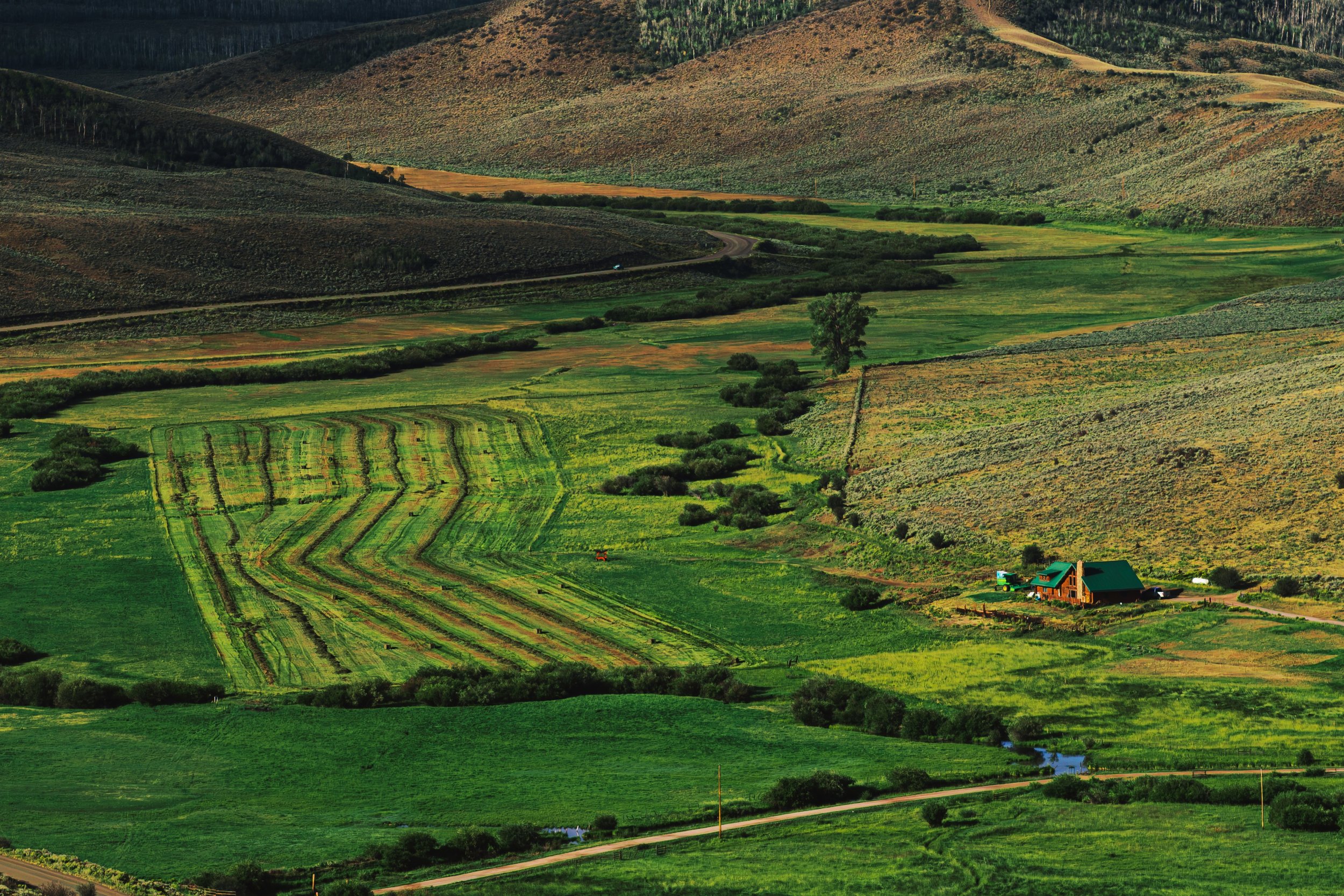
At Battle Creek, the quality of a crop begins with how the ground is managed through the rest of the year: where the cattle move, what they leave behind, how each meadow is watered, and how much time the grass has to recover.
By the time we cut our premium grass hay, we have been working with that field all season. We know the ground it came from, what happened on it before harvest, and what we were looking for when we made the decision to cut.
-
We manage the meadows all season, not just when it's time to make hay. Cattle move through the ground and put nutrients back as they graze, and we give the grass time to come back between uses.
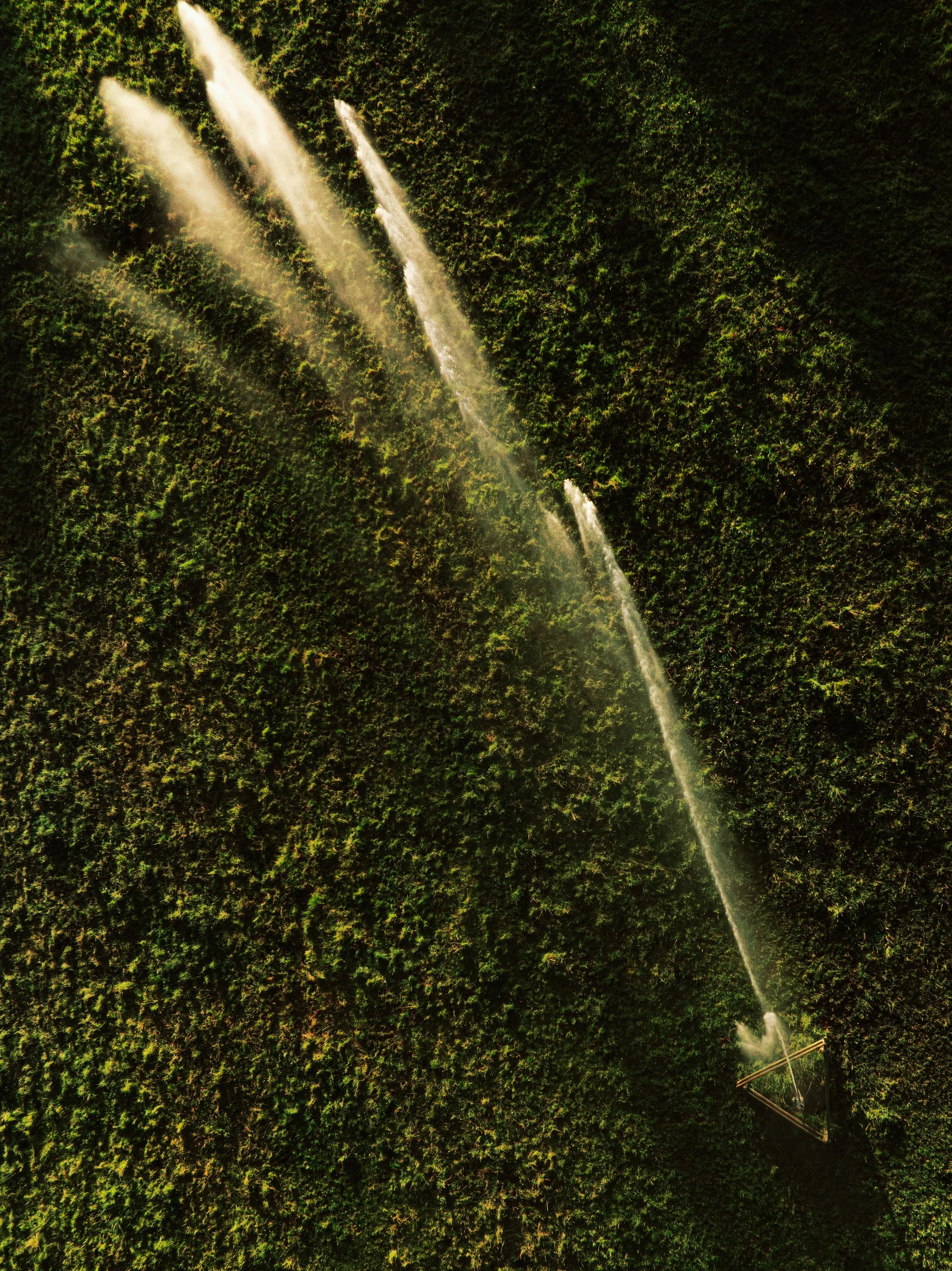
Water is where most of the attention goes. The swing between a hot day and a cold night is wide at this elevation, so we check soil temperature and moisture and water each field for what it can actually use. We sample the soil before the cattle come on and after they come off, checking nitrogen, phosphorus and organic matter, so we know what the ground has instead of assuming.
We don't put synthetic fertilizer on the meadows and we don't spray them.
-
We don't cut from a fixed date. Premium grass hay mature at different rates and different heights, and a lot of the tonnage and feed value is in the undergrowth, so we watch the grass, the moisture and the weather and make the call before the plant heads out, while the feed value is still in the leaf.
Hay comes down at around fourteen percent before we bale. The baler reads moisture, tonnage and compaction as it runs, so every bale is put up the same way. If hay is down and borderline dry and rain is coming, we bale that night.
-
Battle Creek hay is timothy and brome with no alfalfa, baled in big squares and sold directly from the ranch.
Current crop analysis is available, along with bale information, availability and pickup or delivery details. Buyers can also speak directly with the people who grew the crop and know the fields it came from.
Highest Altitude Harvest®
We work directly with horse owners, barns and operations looking for hay from Battle Creek Ranch. Highest Altitude Harvest also includes eggs produced on the ranch, with chickens moving behind the cattle through portions of the grazing rotation.
If you’d like information on current availability, upcoming crop or purchasing directly from the ranch, send us a little about your operation and what you need.
What Buyers Ask
WHAT MAKES BATTLE CREEK HAY DIFFERENT?
It's grown as part of the ranch, not as a crop operation. The meadows are fertilized by the cattle and horses that graze them, and the water comes off the river under a right the ranch has held for more than a century.
HOW DO YOU PROTECT THE FEED VALUE?
The call on when to cut is the biggest part, and it comes down to reading the grass rather than the calendar. After that it's the drying. Hay comes down at around fourteen percent moisture and dries to about ten before we bale, and the baler reads moisture, tonnage and compaction as it runs, so every bale is put up the same way. If hay is down and rain is coming, we bale that night.
WHAT CAN I LEARN ABOUT THE CURRENT CROP?
We share everything we know: the current lab analysis, bale size and weight, what's available, and how the crop was handled from cutting through baling. Send us a little about your operation and how much you're looking for, and the person who grew it will get back to you. You're welcome to come see it before you buy.