Battle Creek Ranch®
Our approach
Battle Creek Ranch is managed as one working system. The ground, water and animals all affect one another, so decisions are made with the rest of the ranch in mind.
We pay attention to what the land can support, what the cattle leave behind, how water moves after grazing, and what each season changes for the next. Everyone here is working inside limits set somewhere else on the ranch, and over the years we've learned where those limits are and built toward them. The goal is not to maximize one part of the ranch at the expense of another. It is to keep the whole place productive, healthy and working together over time.
-
The fertility on our meadows is heavily influenced by the way the cattle are grazed on it. What they eat goes back onto the field as they graze. We do not use synthetic fertilizers, everything comes straight from the livestock. The excess carbon being trampled into the soil helps hold water, which is especially important in a dry year.
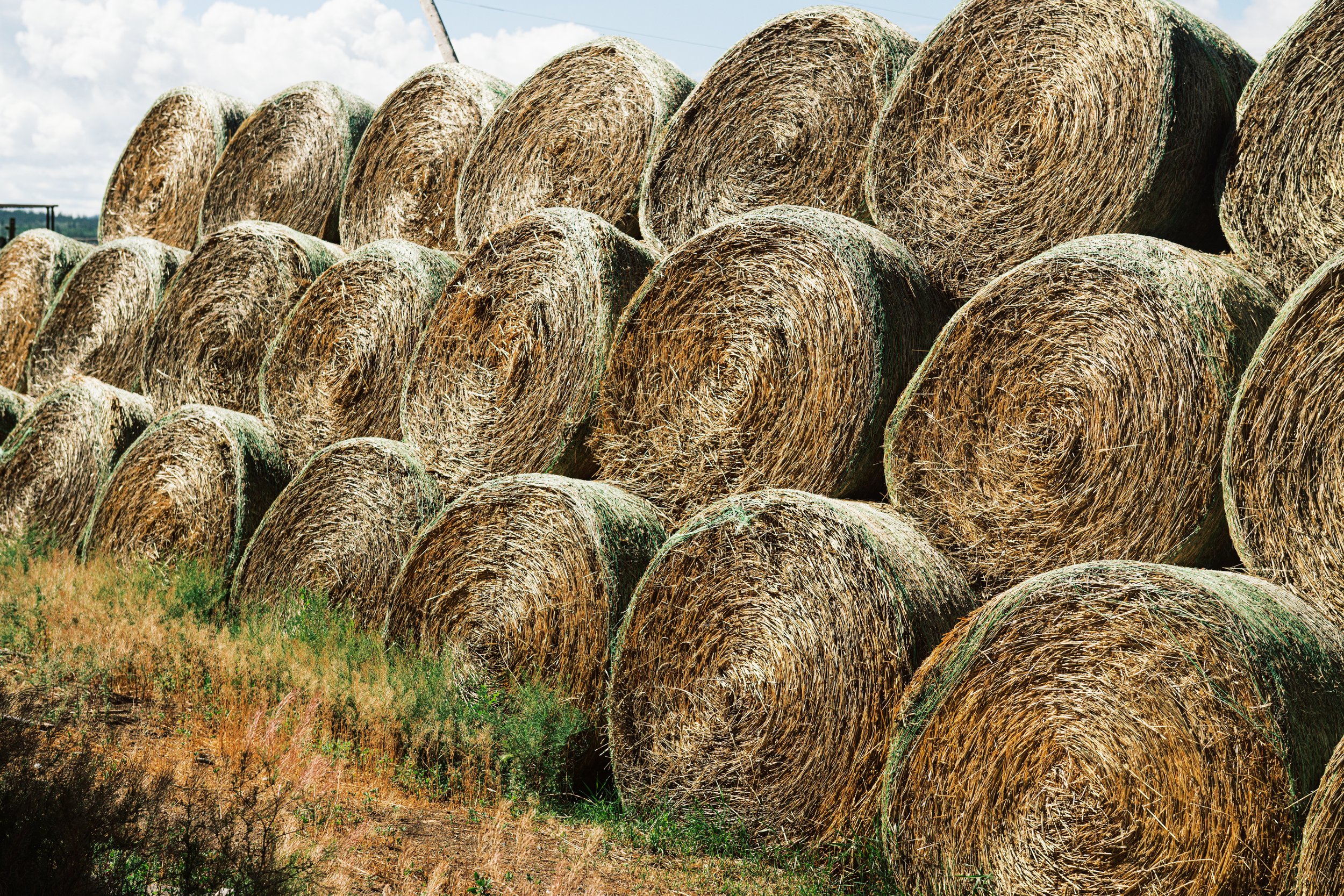
In the winter we bale graze; we focus on the areas with the most bare ground to help build up the forage for the upcoming years. Cattle leave the most where they eat, and the hay that they work into the ground builds carbon, so we focus on putting those natural fertilizers along with the new carbon where the ground needs it most. This technique also allows us to feed every third day instead of everyday.
-
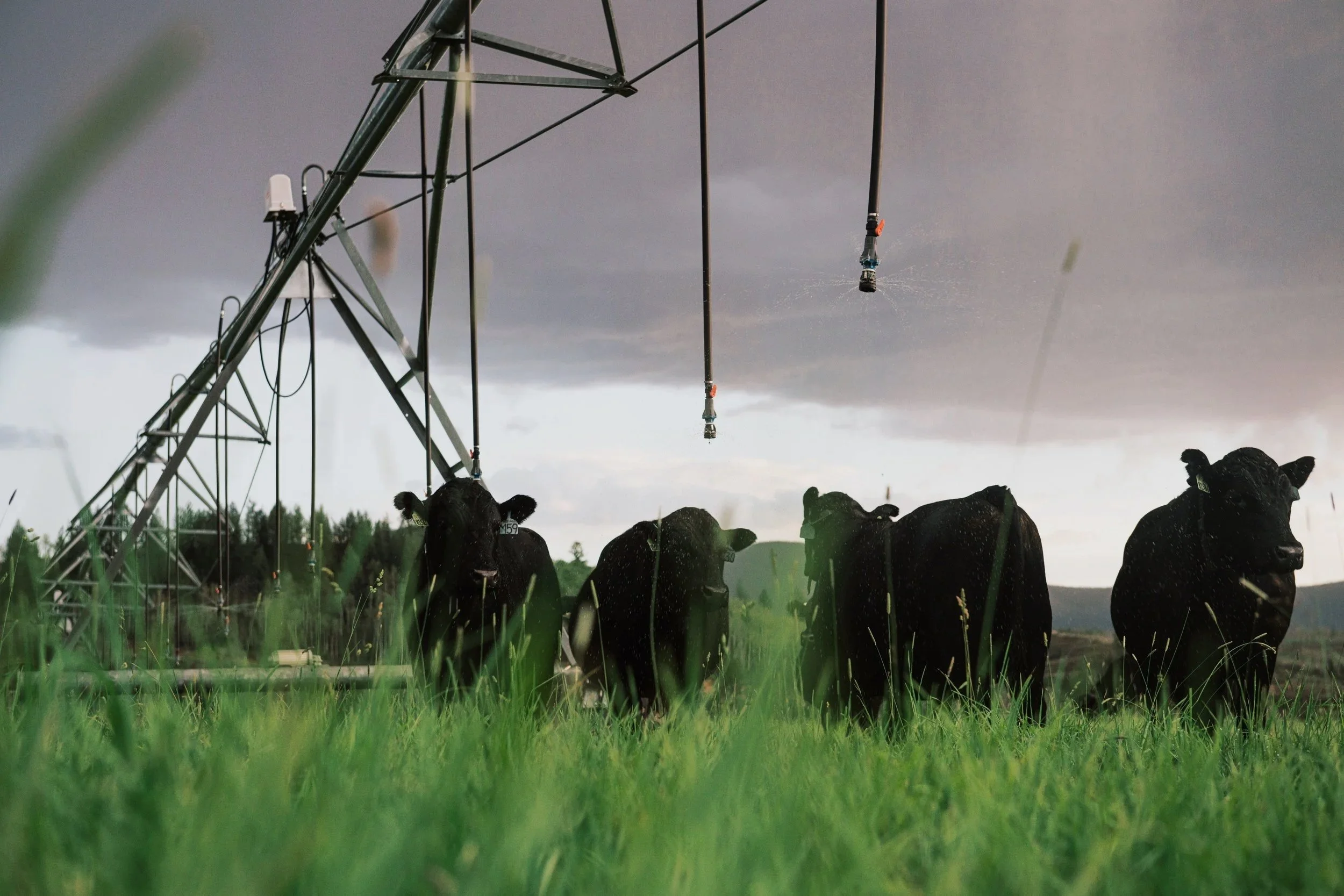
Every meadow takes water differently. Ground that's just been grazed might run it off and make a mess, or it might soak up more than it did before, and slope and soil change from one field to the next. The swing between a hot day and a cold night is wide at this elevation, so we check soil temperature and moisture and water each field for what it can actually use.
-
The fertility on our meadows is heavily influenced by the way the cattle are grazed on it. What they eat goes back onto the field as they graze. We do not use synthetic fertilizers, everything comes straight from the livestock. The excess carbon being trampled into the soil helps hold water, which is especially important in a dry year.
In the winter we bale graze; we focus on the areas with the most bare ground to help build up the forage for the upcoming years. Cattle leave the most where they eat, and the hay that they work into the ground builds carbon, so we focus on putting those natural fertilizers along with the new carbon where the ground needs it most. This technique also allows us to feed every third day instead of everyday.
The Ranch
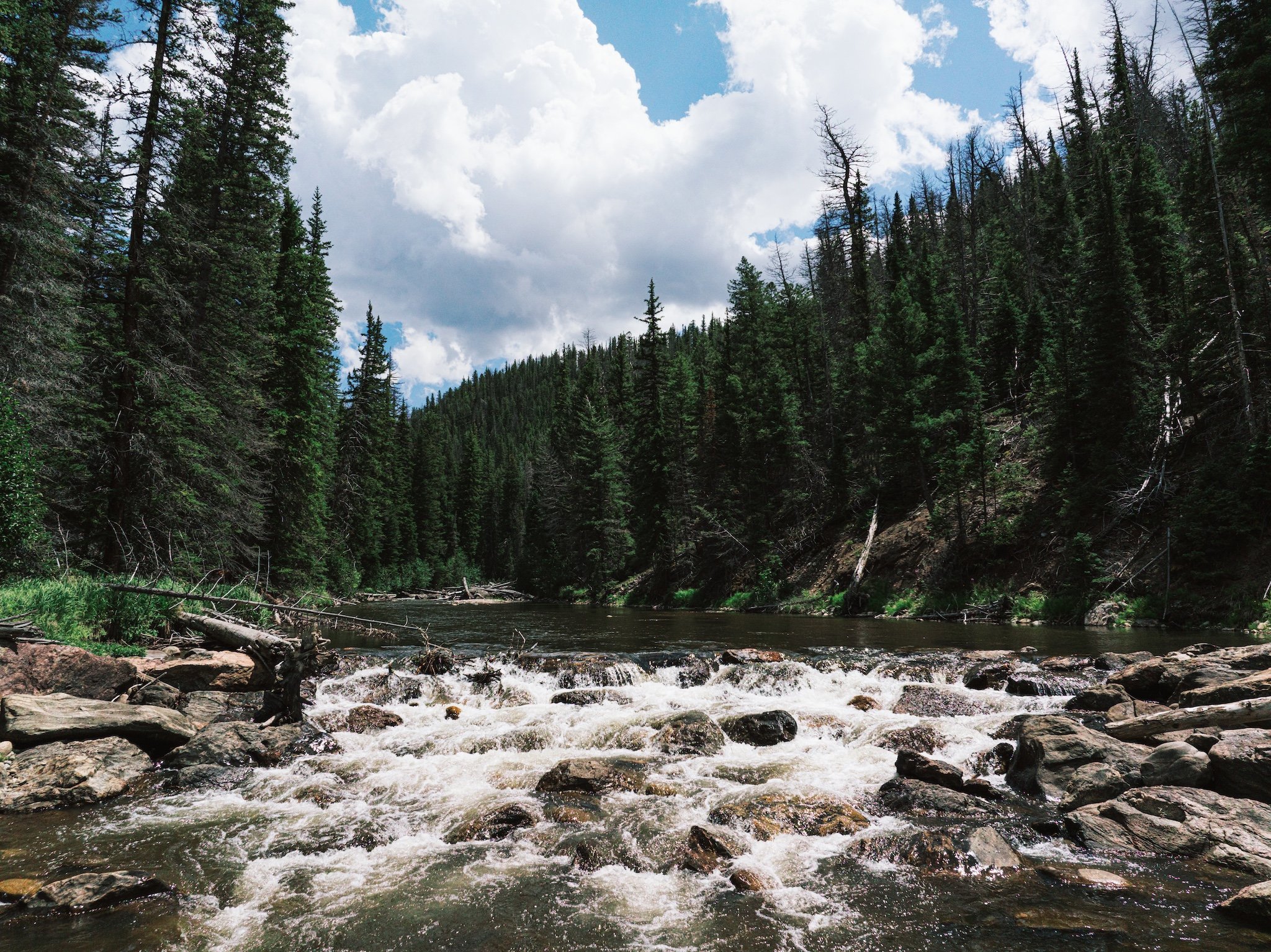
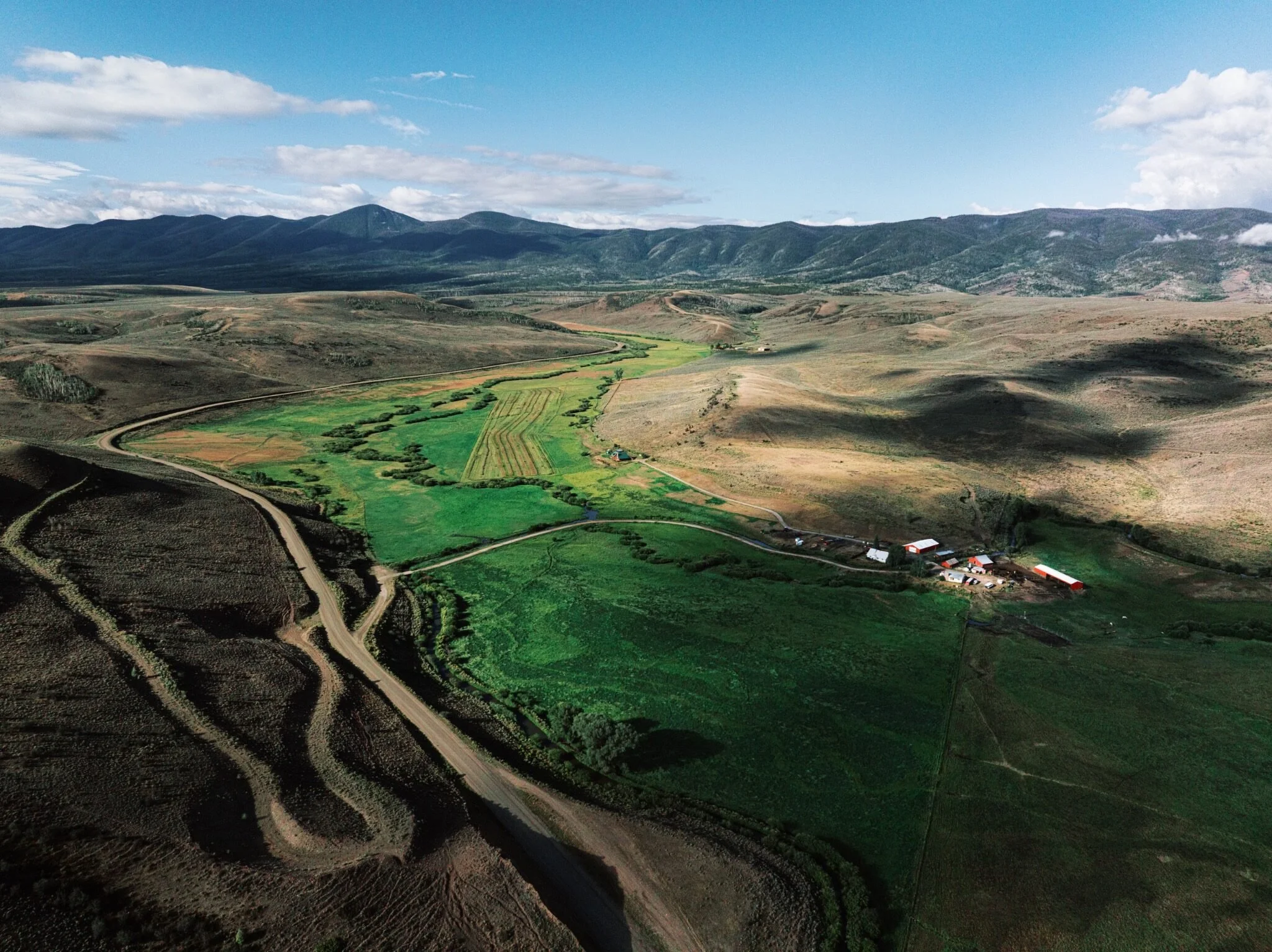
Battle Creek Ranch stretches across roughly 6,000 acres of Colorado’s Williams Fork Valley, from irrigated meadow along the river to sagebrush and timber above 8,000 feet.
Much of the productive ground here was made over time. Water was brought across the valley through ditches, fields were cleared and irrigated, and the ranch has continued to change as new ground, pivots and systems have been added.
Highest Altitude Angus®